About Community Assemblies
Community assemblies, often called civic assemblies, are a form of deliberative democracy that brings together a randomly selected representative group of residents in a community to provide insight, diverse perspectives, and recommendations on public policy and its process through collaboration and deliberation.
Although the civic assembly model dates back to ancient Greece, they have gained in popularity recently as governments and other organizations seek better, more democratic ways to solve problems. Over the past 30 years, civic assemblies have been used more than 700 times around the world to tackle complex and challenging issues, according to CivicLex.
The Wisconsin Community Assemblies project is a collaboration between UW–Madison’s Division of Extension Community Development Institute and the La Follette School of Public Affairs. It is led by Professor Amber Wichowsky.
About the Community Development Institute
The Division of Extension’s Community Development Institute provides educational programming to help leaders, communities, and organizations realize their fullest potential. It works with communities to build the vitality that enhances their quality of life and enriches the lives of their residents.
About the La Follette School of Public Affairs
The La Follette School of Public Affairs is a leading academic institution focused on public policy and the practice of governance. It strives to inspire evidence-based policymaking and to advance the public good.
About Professor Amber Wichowsky
Amber Wichowsky is an associate professor of public affairs and holds the Leadership Wisconsin Endowed Chair for the Division of Extension. Her research explores civic engagement and how individuals and communities engage contentious and complex public issues.
UW–Madison student collaborators
This project is also made possible thanks to the efforts of
UW–Madison students.
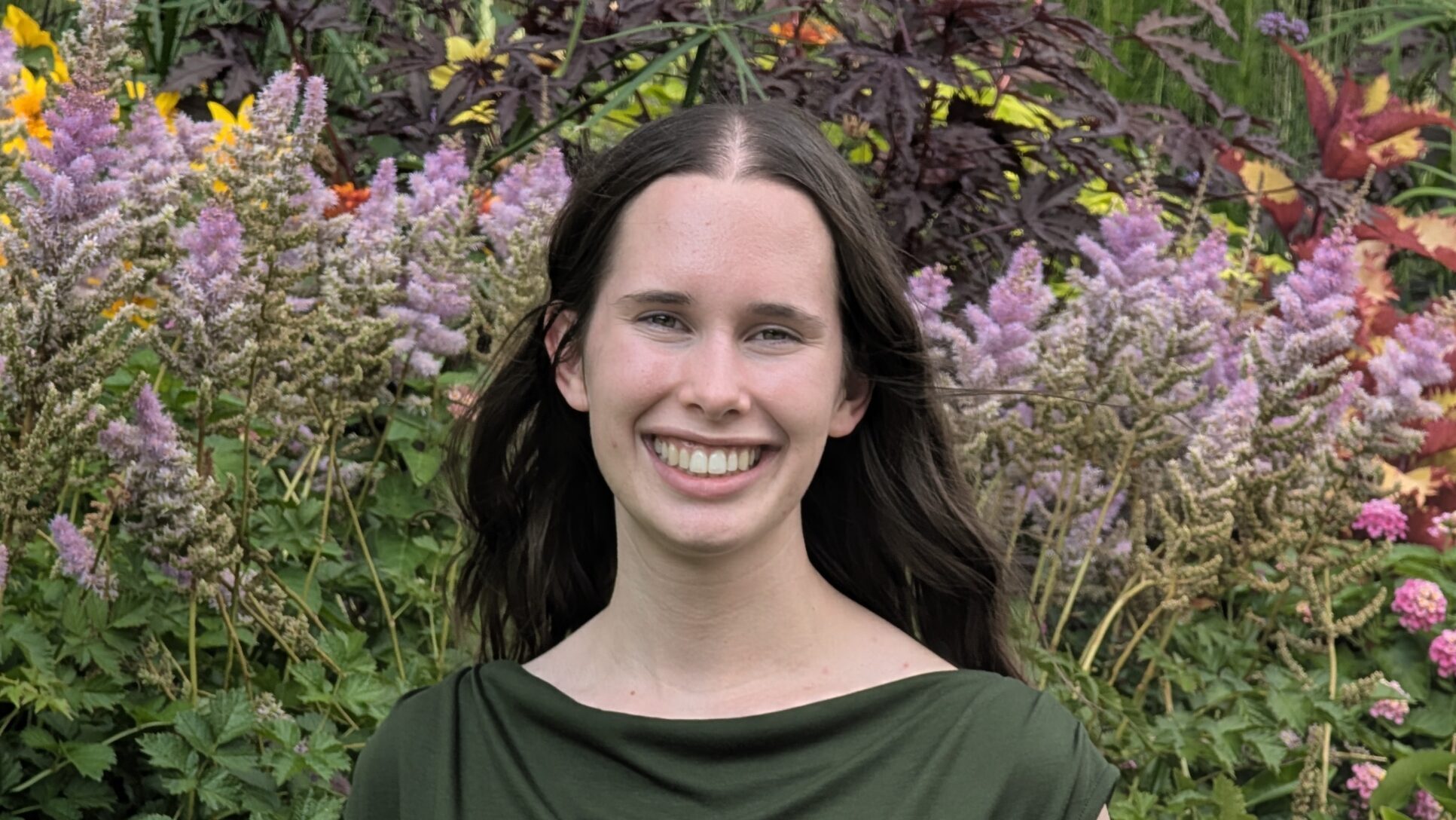
Sarah Price
Sarah is a second-year Master’s in Public Affairs student at the La Follette School of Public Affairs.
She has worked for a diverse range of government and nonprofit organizations.
However, she’s most passionate about housing policy, an interest that grew while working with youth and young adults experiencing homelessness.
She is looking forward to hearing from community members about the housing issues in their communities and the solutions they want to see.
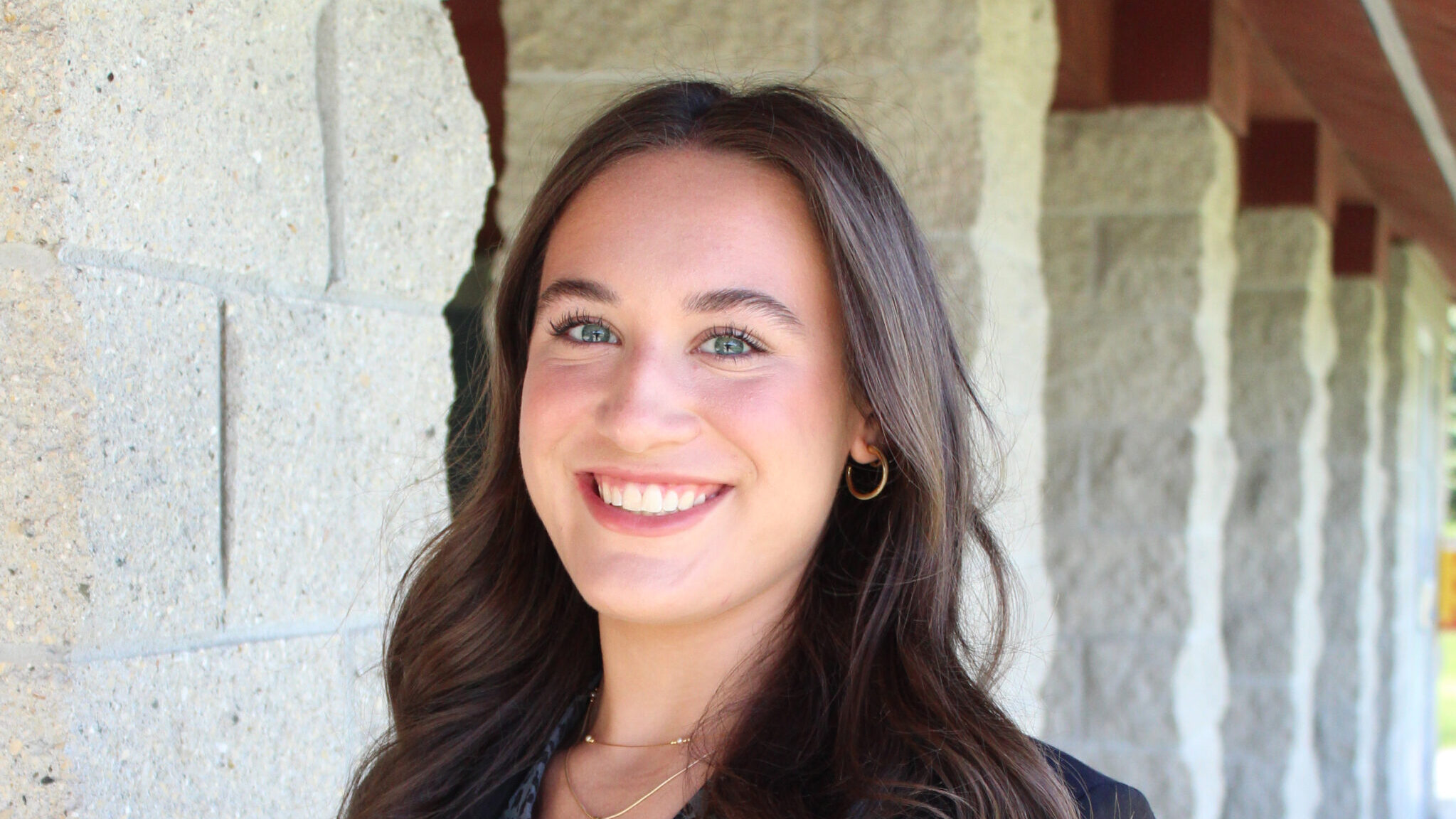
Julia Robbins
Julia is a sophomore majoring in public policy at the La Follette School of Public Affairs.
She began exploring policy development and implementation by taking courses on partisanship and theoretical policy process during her freshman year, and is excited to bring these classroom skills to life through the Community Assemblies initiative.
As a lifelong South Central Wisconsin resident, she is looking forward to learning from residents and ensuring their voices are heard.
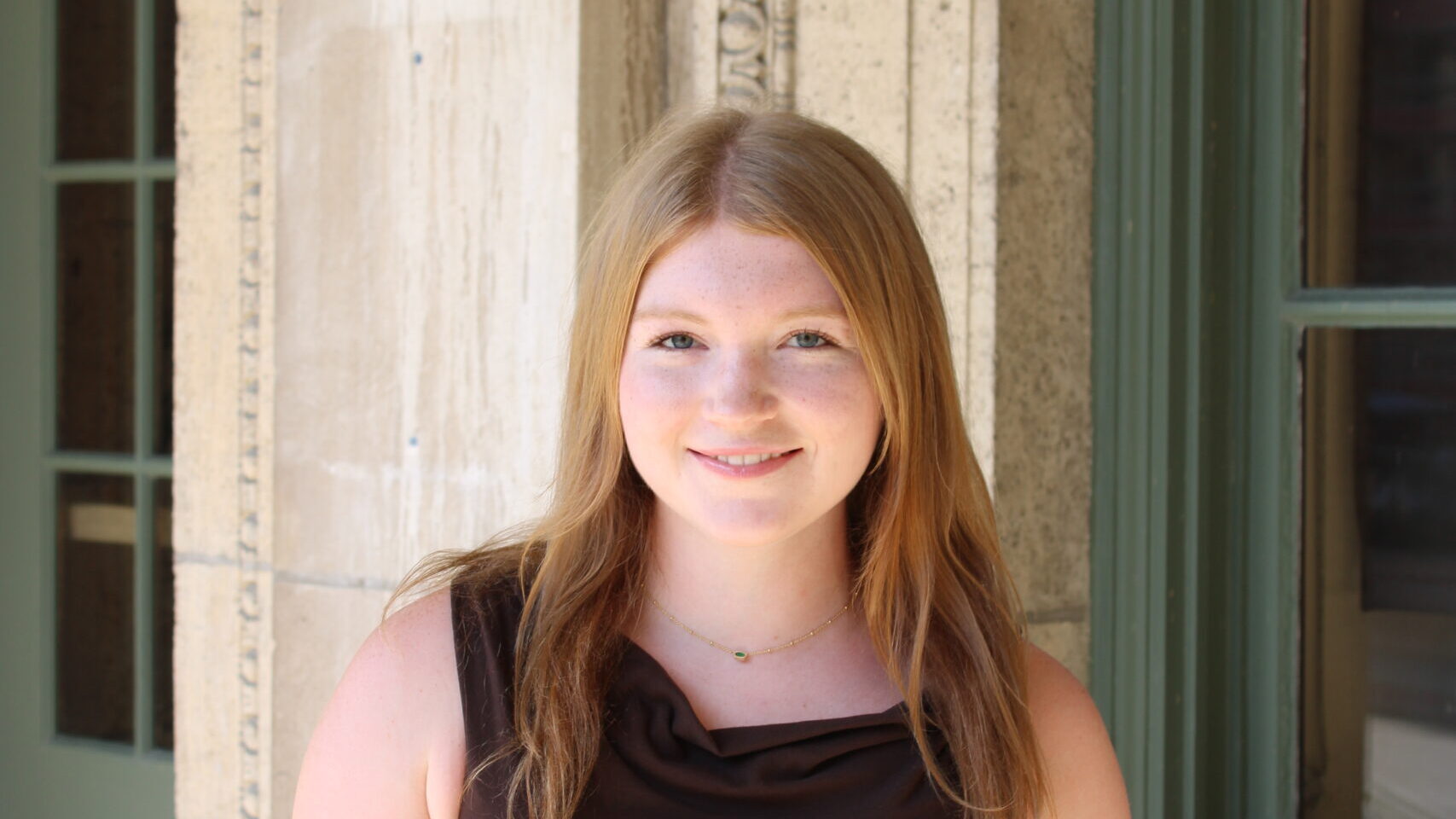
Amelie Rozowski
Amelie is a sophomore pursuing a bachelor’s in political science and public policy.
She has worked to support civic engagement efforts through various nonprofits and is interested in voter outreach efforts.
In her current position as a student researcher at the La Follette School of Public Affairs, she is interested in seeing how civic assemblies shape trust in local government and learning about the housing needs and solutions that matter to community members.

Andrew Staff
Andrew is a sophomore studying political science and public policy.
Outside of the classroom, Andrew advocates for student issues to city, county, and state officials as a legislative liaison for UW–Madison’s student government.
He has a strong passion for opening policy conversations to individuals with nuanced perspectives and is extremely excited to learn from community members this fall.